American Pragmatism
Public Domain Texts & Thinkers
Works by William James, John Dewey, Charles Peirce, and others—free and searchable
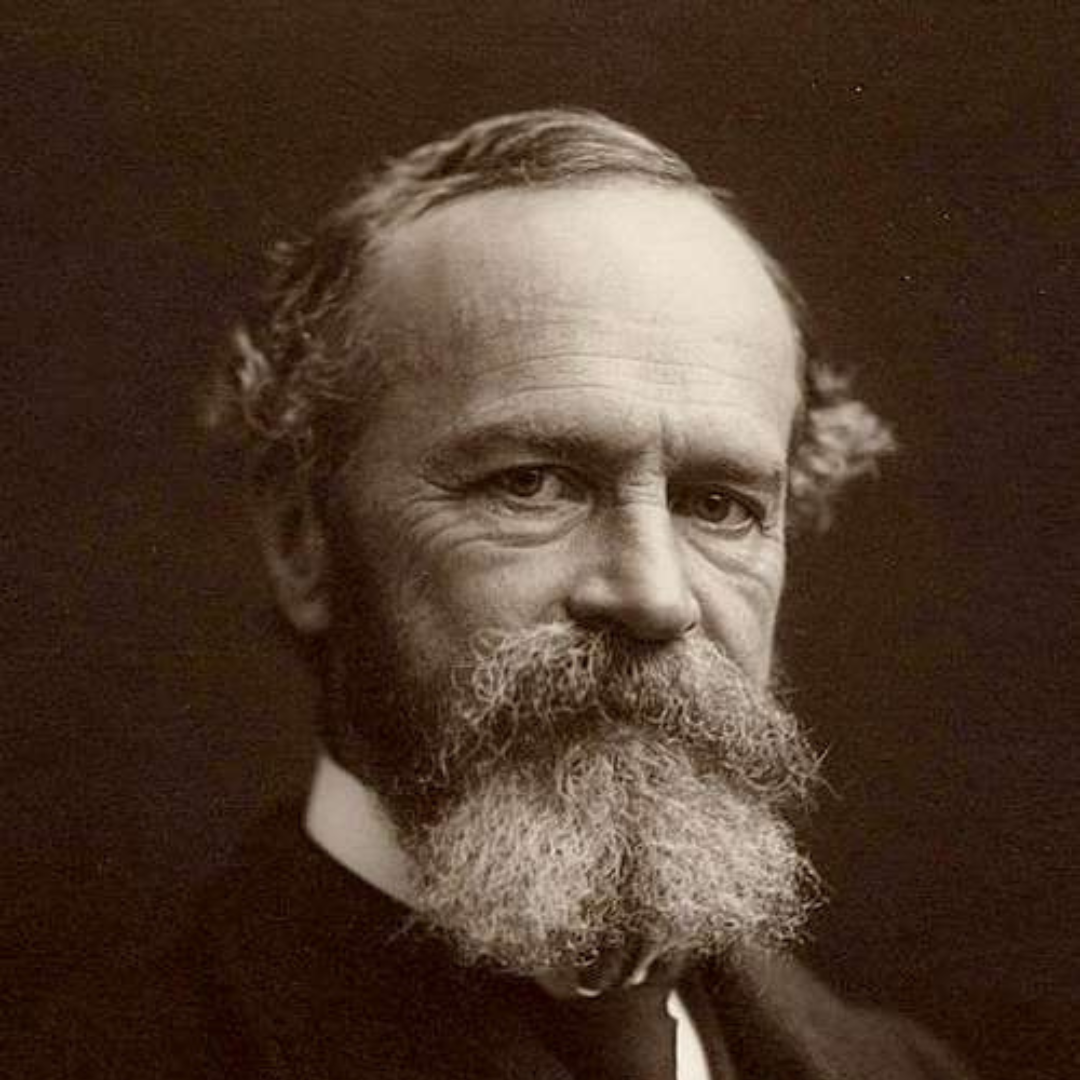
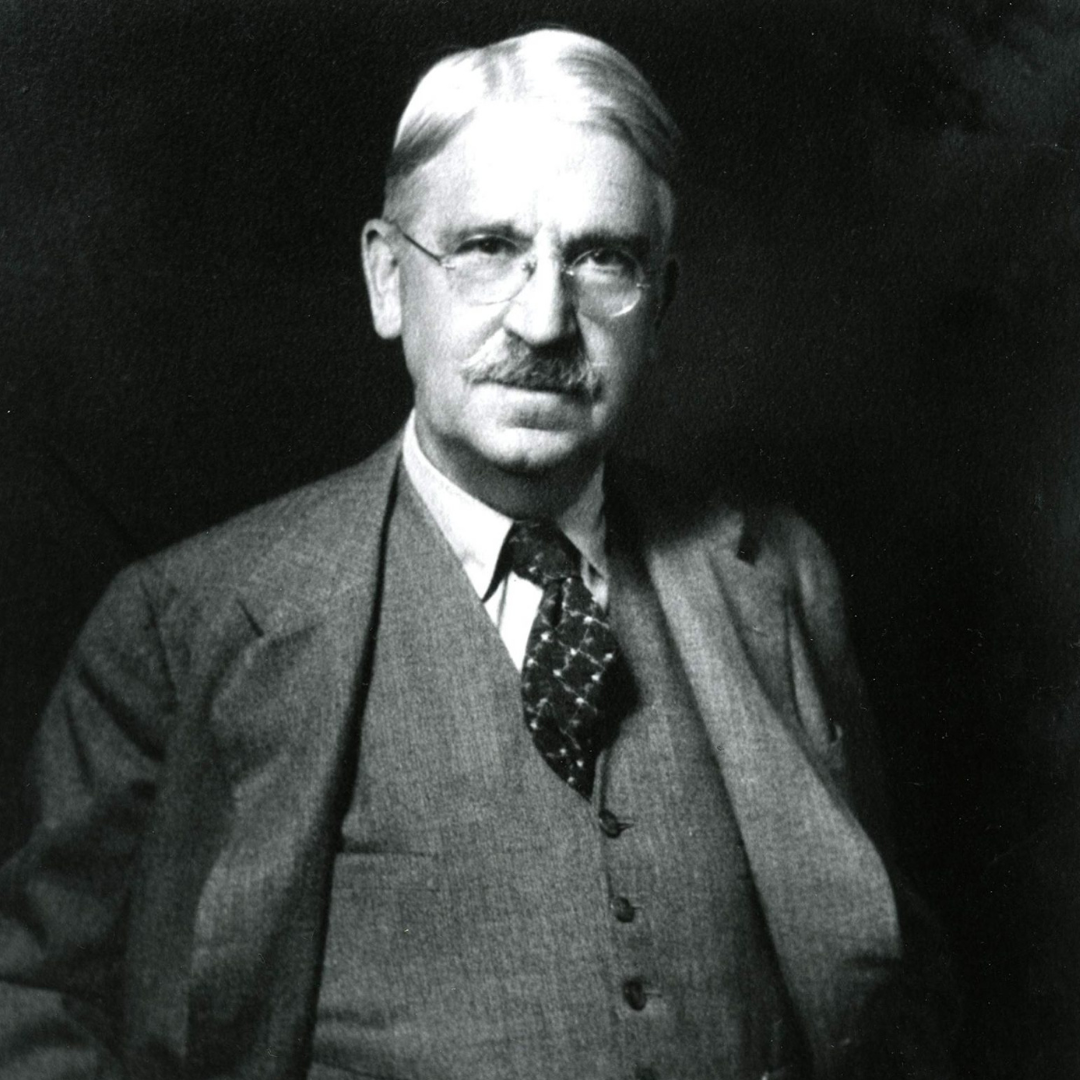
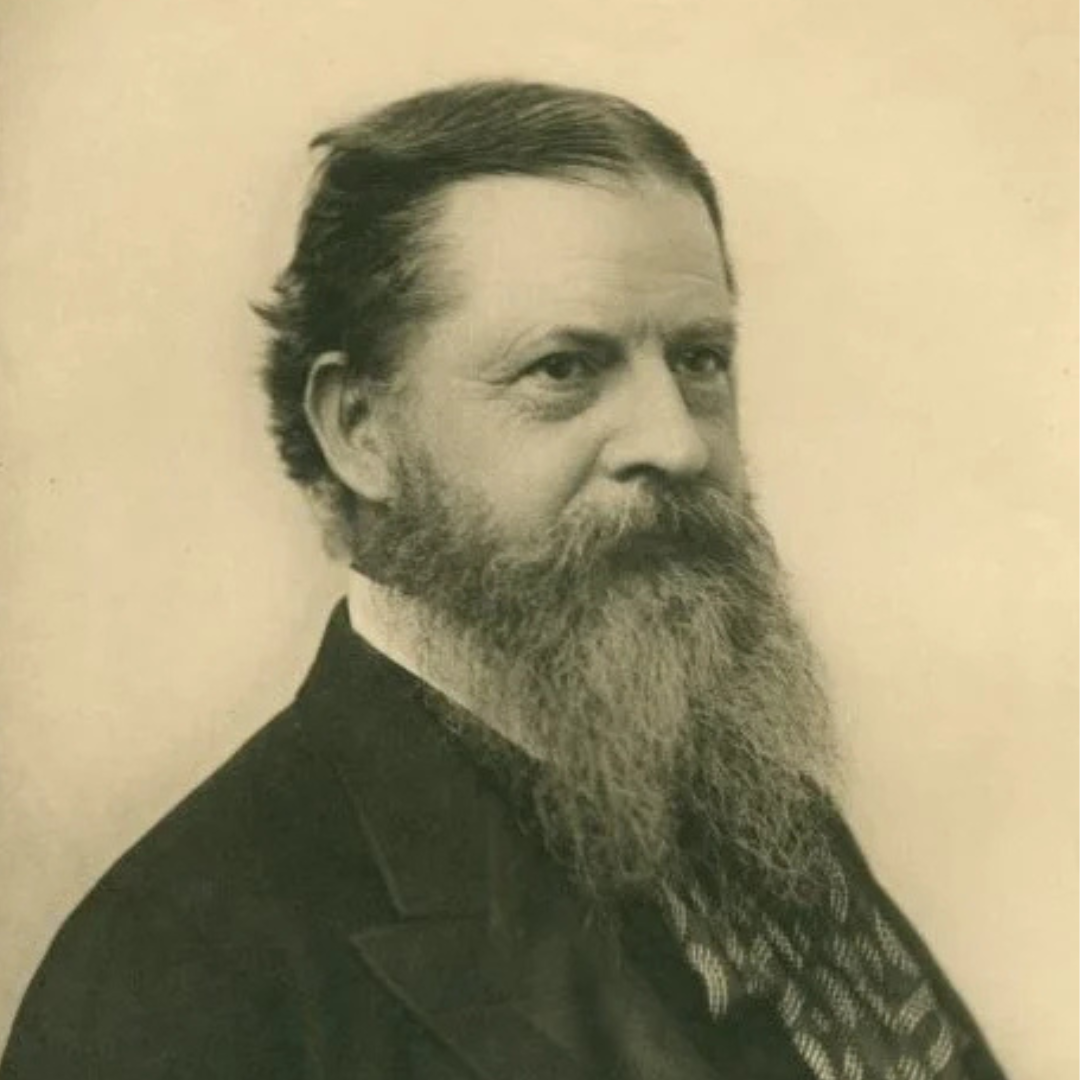
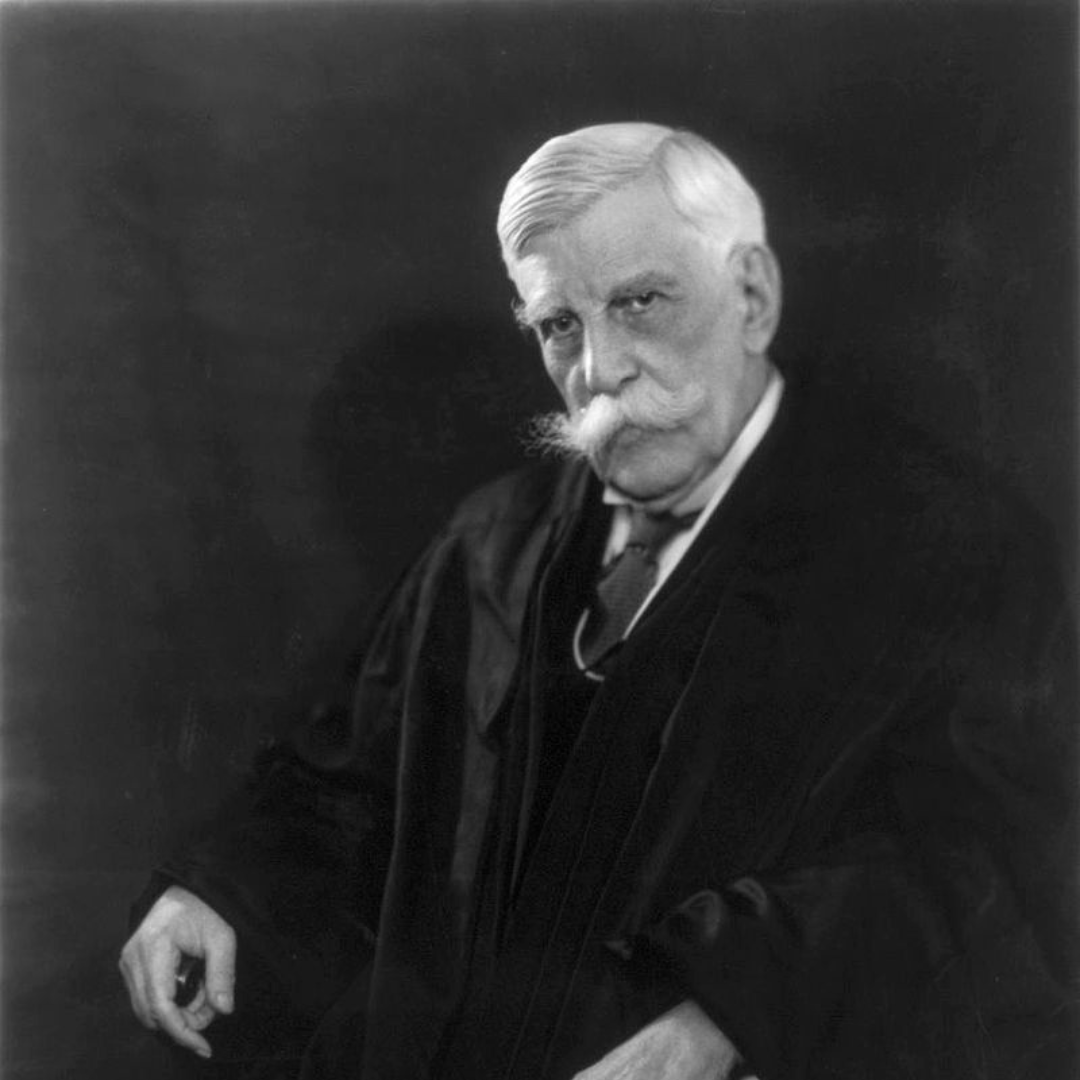
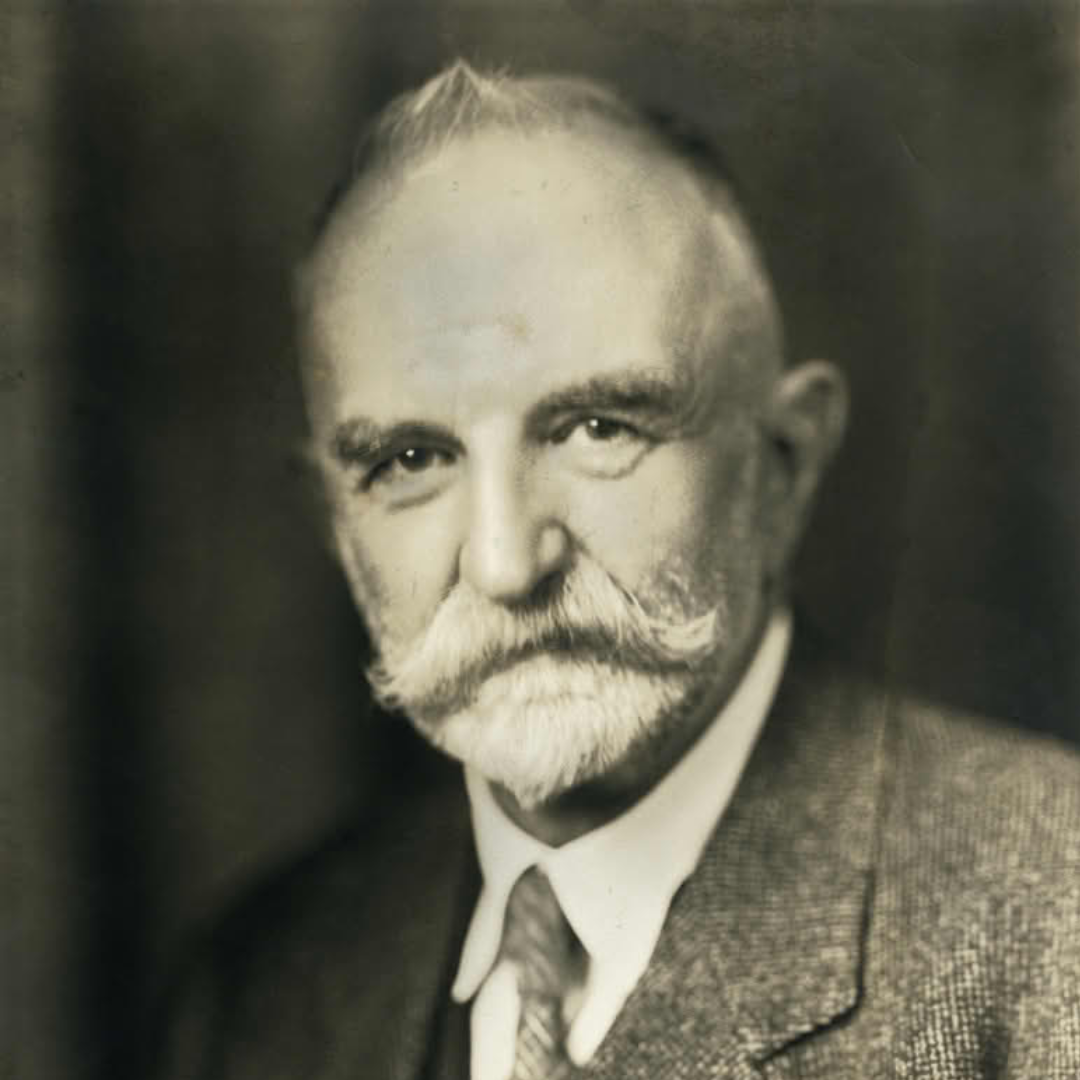
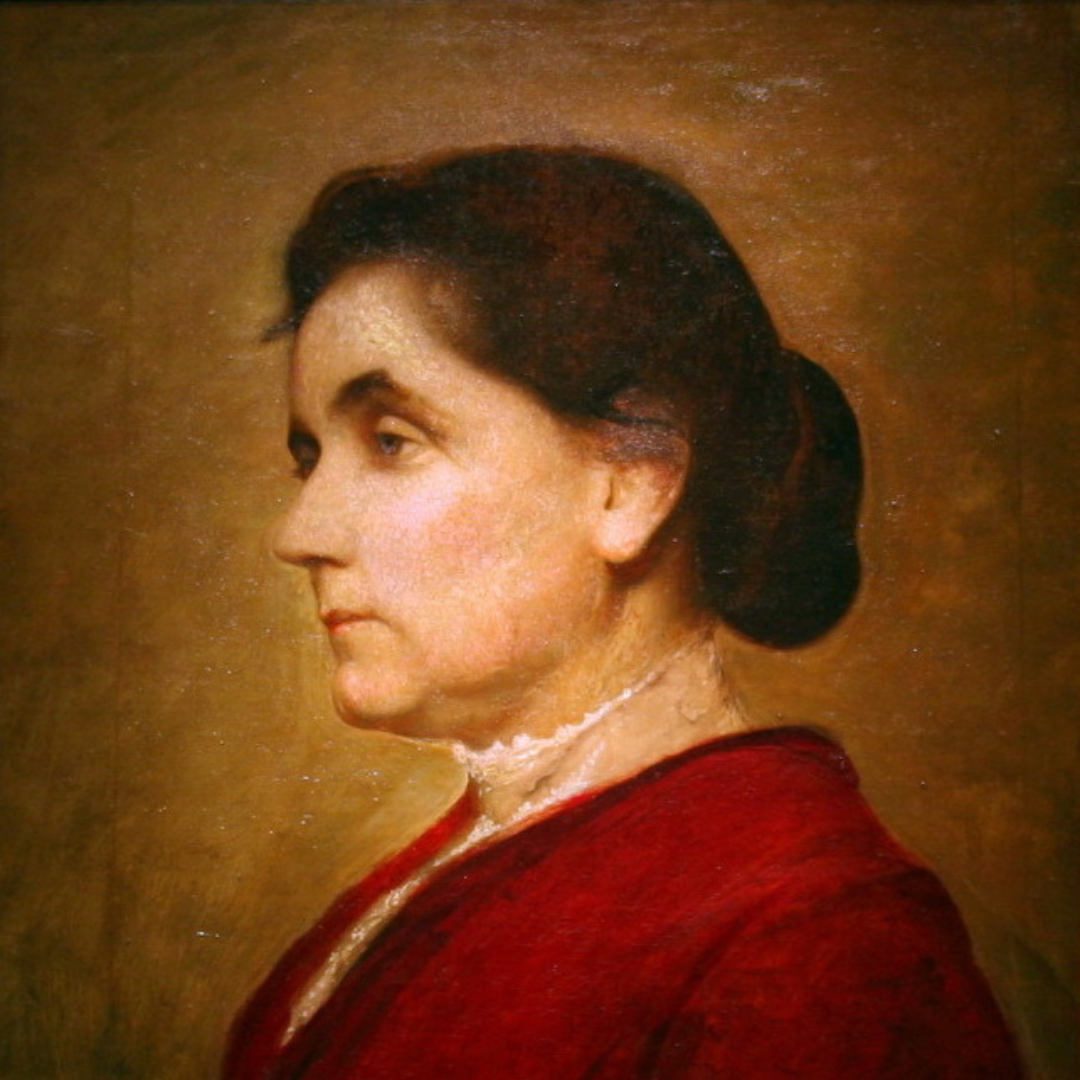
American Pragmatism Archive is a free, public domain collection of works by William James, Charles Sanders Peirce, John Dewey, and other key figures in American philosophy.
Discover American Pragmatists
The central figures who shaped and defined the American pragmatist tradition.
Charles S. Peirce
Logician and philosopher who founded pragmatism and developed a rigorous theory of inquiry and meaning.
Read more
William James
Philosopher and psychologist who popularized pragmatism as a method for understanding truth through practical consequences.
Read more
Oliver Wendell Holmes
Supreme Court justice who brought pragmatic thinking into American law, emphasizing real-world consequences over abstract theory.
Read more
John Dewey
Philosopher of education and democracy who applied pragmatism to social reform and experiential learning.
Read more
Jane Addams
Social reformer and philosopher who extended pragmatism into ethics, democracy, and community-based action.
Read more
George Herbert Mead
Philosopher and social psychologist who explored how the self emerges through social interaction and communication.
Read moreKey Texts in American Pragmatism
Essential texts that define the pragmatist tradition.
What Pragmatism Means
William James
A series of lectures introducing pragmatism as a method for evaluating truth.
The Will to Believe
William James
A defense of faith and the role of belief in the absence of decisive evidence.
The Ethics of Democracy
John Dewey
A reflection on democracy as a lived ethical practice grounded in participation.
The Path of the Law
Oliver Wendell Holmes Jr.
A seminal essay arguing that law should be understood through its practical effects.
What is American Pragmatism?
American pragmatism is a philosophical tradition that evaluates ideas by their practical consequences. Developed in the late 19th and early 20th centuries, it emphasizes experience, experimentation, and the role of inquiry in shaping belief.
Four Key Parts of American Pragmatism
Truth is understood through practical consequences
Pragmatists argue that the meaning and truth of an idea lie in its observable effects—what happens when it is put into practice, not just how it sounds in theory.
Ideas are tools for navigating experience
Rather than fixed or absolute, beliefs and concepts are instruments we use to solve problems, adapt to new situations, and make sense of the world around us.
Knowledge emerges through inquiry and experimentation
Understanding is not static but develops over time through testing, reflection, and revision, much like the scientific method applied to everyday life.
Philosophy is connected to action and lived experience
American pragmatism rejects purely abstract speculation, emphasizing instead how thought shapes conduct, institutions, and democratic life.


About This Archive
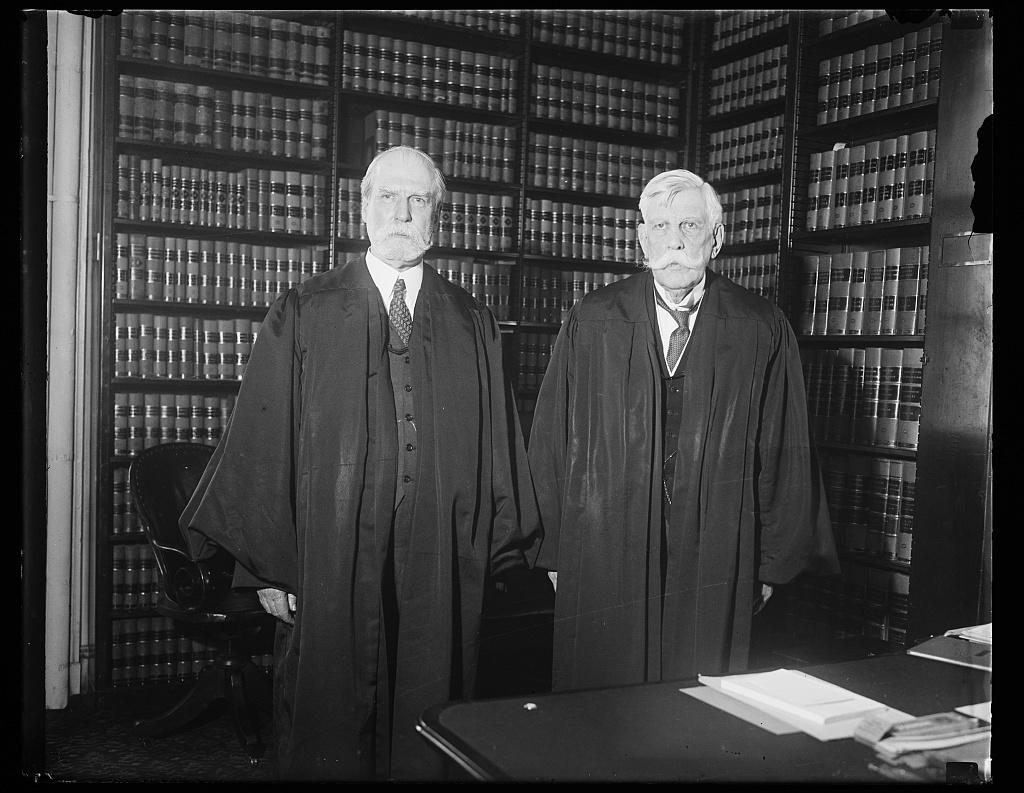
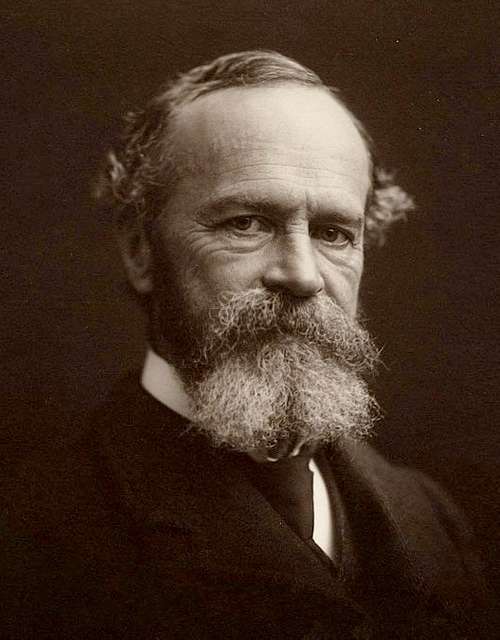
This archive is dedicated to preserving and sharing the core texts of American pragmatism. It brings together public domain works by William James, John Dewey, Charles Sanders Peirce, and their contemporaries in a clear, accessible format.
The goal is simple: to make foundational philosophical texts freely available for reading, study, and exploration.
All works featured here are in the public domain.
Designed for students, researchers, and curious readers alike.