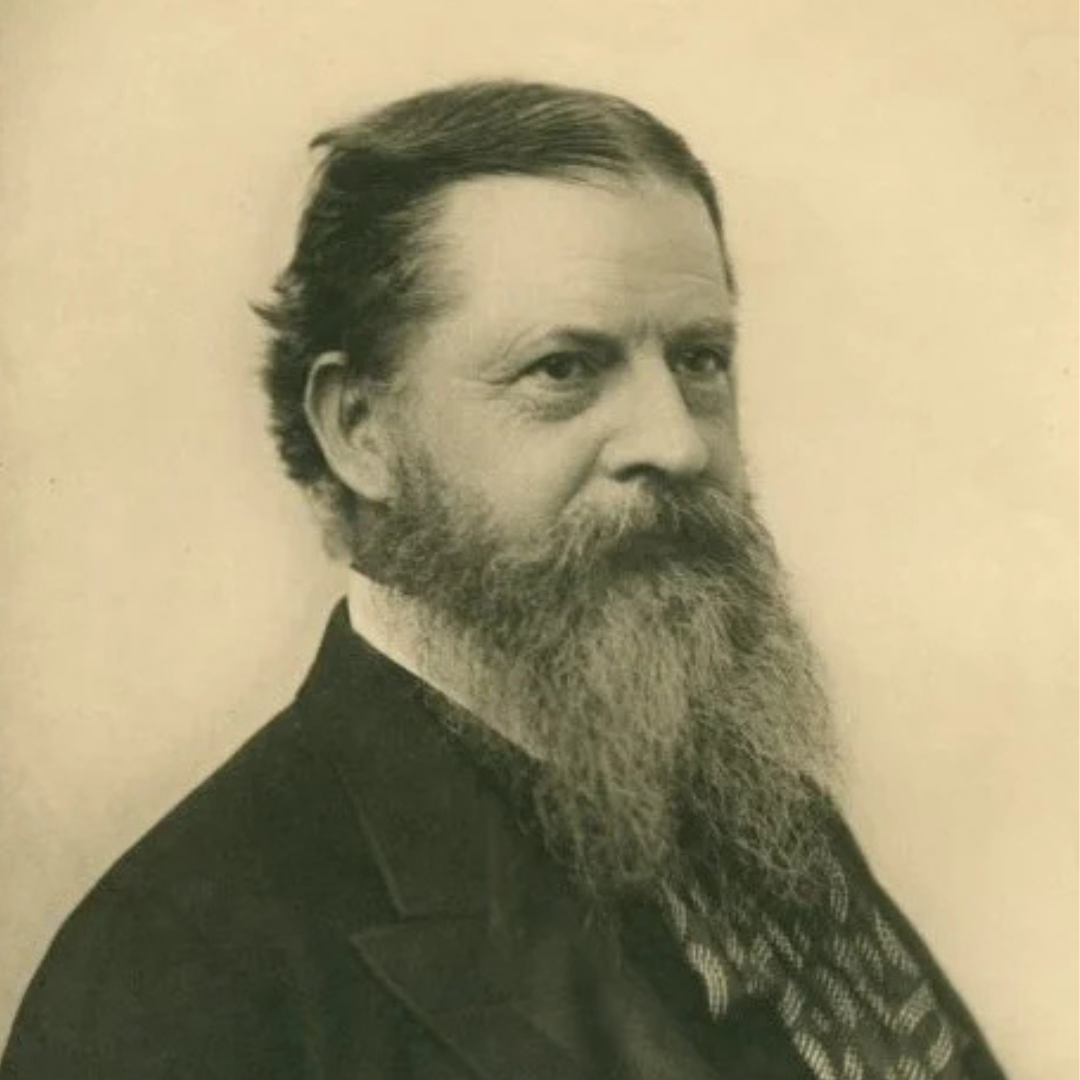
Charles S. Peirce
Cambridge, Massachusetts, U.S
1839-1914
Charles Sanders Peirce (1839–1914) was an American philosopher, logician, and scientist widely regarded as the founder of pragmatism. His work established key ideas about inquiry, belief, and meaning, arguing that the significance of a concept lies in its practical effects. Peirce’s writings on logic and the scientific method helped shape modern philosophy and influenced thinkers such as William James and John Dewey.
Key Works by Charles Sanders Peirce
How to Make Our Ideas Clear
Introduces the pragmatic maxim, arguing that the meaning of ideas lies in their practical effects and observable consequences.
Some Consequences of Four Incapacities
Challenges several foundational assumptions in modern philosophy, particularly those associated with René Descartes.
What Pragmatism Is
Clarifies his original formulation of pragmatism, distinguishing it from popular interpretations that had diverged from his intent.
The Fixation of Belief
Explores how individuals form and maintain beliefs, and why some methods of belief formation are more reliable than others.
On a New List of Categories
Introduces a foundational framework for understanding how thought and meaning are structured.
Evolutionary Love
Presents a philosophical account of evolution that emphasizes cooperation rather than pure competition.
Charles Sanders Peirce and Pragmatism
Charles Sanders Peirce is widely considered the founder of pragmatism, a philosophical tradition that evaluates ideas through their practical consequences. Trained as a scientist and logician, Peirce approached philosophy as a method of inquiry grounded in observation, experimentation, and logical analysis.
His early essays, including The Fixation of Belief and How to Make Our Ideas Clear, introduced key pragmatist principles, arguing that the meaning of a concept lies in its observable effects. Peirce also developed a sophisticated theory of signs, known as semiotics, which examined how meaning is formed and communicated.
Although less widely recognized during his lifetime, Peirce’s work profoundly influenced later thinkers such as William James and John Dewey, shaping the development of American pragmatism as a major philosophical movement.
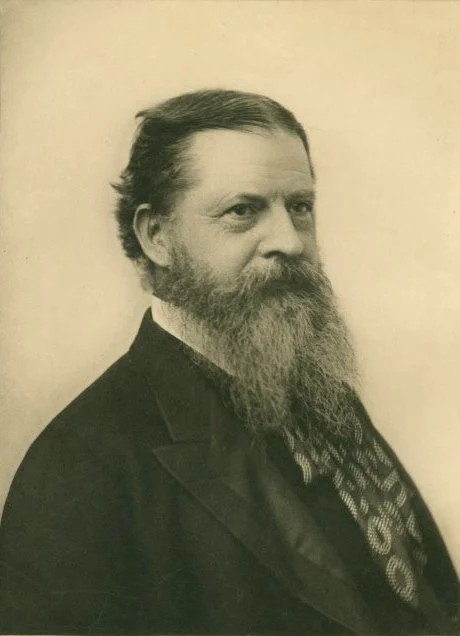
Key Ideas of Charles Sanders Peirce
The pragmatic maxim
The meaning of an idea lies in the practical effects we can conceive it to have.
Inquiry as a method
Belief is formed and revised through systematic investigation, not intuition or authority.
Fallibilism
All knowledge is provisional and subject to revision in light of new evidence.
Semiotics (the theory of signs)
Meaning emerges through systems of signs and interpretation.
Influence on American Pragmatism
Charles Sanders Peirce’s work laid the intellectual foundation for the development of American pragmatism, even though his contributions were not widely recognized during his lifetime. His formulation of the pragmatic maxim—defining the meaning of ideas in terms of their practical effects—became the starting point for later thinkers seeking to connect philosophy with lived experience.
Peirce’s ideas were taken up and popularized by William James, who introduced pragmatism to a broader audience through lectures and essays. While James adapted and simplified some of Peirce’s more technical arguments, he helped establish pragmatism as a recognizable philosophical movement. In turn, John Dewey extended pragmatist principles into education, politics, and social theory, emphasizing inquiry, experimentation, and the role of experience in shaping knowledge.
Beyond these central figures, Peirce’s influence can also be seen in the development of American legal thought through figures such as Oliver Wendell Holmes Jr., who applied a pragmatic emphasis on consequences and real-world effects to the interpretation of law. Similarly, thinkers like George Herbert Mead and Jane Addams drew on pragmatist ideas in their work on social interaction, ethics, and democratic life.
Today, Peirce is widely regarded as the originator of pragmatism and a central figure in the broader tradition of American philosophy. His work on logic, inquiry, and the theory of signs continues to shape contemporary discussions in philosophy, linguistics, and the social sciences.