Oliver Wendell Holmes
Boston, Massachusetts, U.S.
1841-1935
Oliver Wendell Holmes Jr. (1841–1935) was an American jurist and Supreme Court justice whose legal philosophy reflected key principles of pragmatism. In works such as The Path of the Law, he argued that the law should be understood in terms of its practical effects and real-world consequences rather than abstract logic. Holmes played a central role in shaping modern American legal thought, helping to shift the focus of law toward experience, context, and the outcomes of judicial decisions.
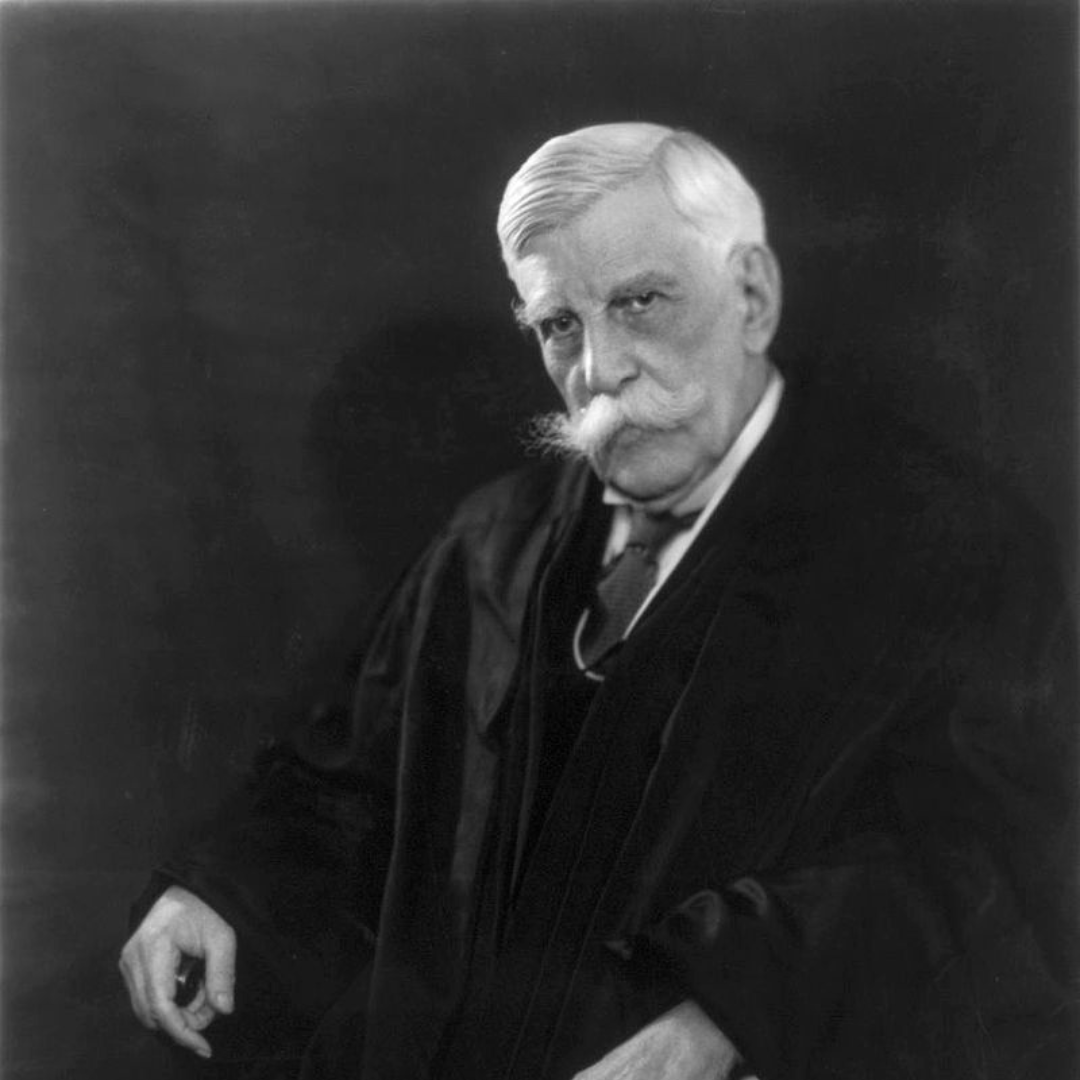
Key Works by Oliver Wendell Holmes
Natural Law
Introduces the pragmatic maxim, arguing that the meaning of ideas lies in their practical effects and observable consequences.
The Path of the Law
Challenges several foundational assumptions in modern philosophy, particularly those associated with René Descartes.
Ideals and Doubt
Clarifies his original formulation of pragmatism, distinguishing it from popular interpretations that had diverged from his intent.
Early Forms of Liability
Explores how individuals form and maintain beliefs, and why some methods of belief formation are more reliable than others.
Privilege, Malice, and Intent
Introduces a foundational framework for understanding how thought and meaning are structured.
Trespass and Negligence
Introduces the central conflict that pragmatism seeks to resolve: the tension between two opposing philosophical temperaments
Oliver Wendell Holmes and Pragmatism
Oliver Wendell Holmes Jr. was a central figure in applying the principles of American pragmatism to the development of modern legal thought. While not a systematic philosopher in the same sense as Charles Sanders Peirce or William James, Holmes brought a distinctly pragmatist perspective to the law, emphasizing experience, consequences, and the evolving nature of legal systems. His work helped shift legal thinking away from abstract reasoning and toward a more practical understanding of how law functions in society.
In his lectures and essays—most notably The Path of the Law (1897)—Holmes argued that the law should not be understood as a set of fixed logical principles, but as a body of rules shaped by real-world outcomes and judicial decisions. He famously described the law as a set of predictions about what courts will do in practice, rather than a moral or theoretical system. This approach parallels the pragmatist emphasis on practical consequences found in the work of William James, while remaining grounded in legal institutions.
Holmes’s pragmatic approach emphasized that legal concepts must be evaluated based on their consequences, aligning closely with the broader pragmatist view that ideas gain meaning through their practical application. He argued that the life of the law has not been logic but experience, highlighting the importance of history, social conditions, and human judgment in shaping legal outcomes. This perspective also resonates with John Dewey’s later efforts to apply pragmatism to social institutions and democratic life.
Through his work on the Supreme Court and his influential writings, Holmes played a key role in shaping modern American legal philosophy. His ideas helped lay the groundwork for legal realism and influenced later thinkers who sought to understand law as a dynamic and evolving institution. In this way, Holmes extended pragmatist thought beyond philosophy and into one of the most important structures of public life, demonstrating how pragmatism could inform not only theory but institutional practice.
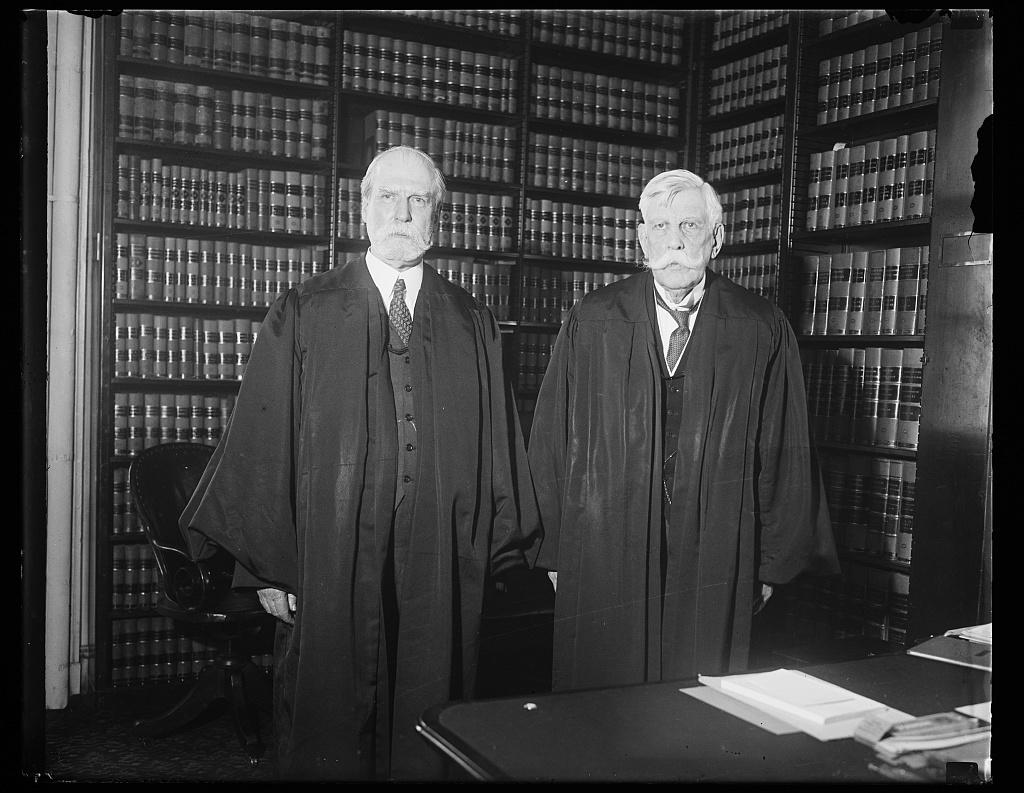
Key Ideas of Oliver Wendell Holmes
The Law as Prediction
Holmes argued that the law is best understood as a set of predictions about how courts will act in practice. Rather than focusing on abstract rules, he emphasized what legal decisions actually do in the real world.
The Primacy of Experience
Holmes famously stated that “the life of the law has not been logic; it has been experience.” He believed that legal systems evolve through history, social conditions, and practical outcomes rather than purely logical reasoning.
Rejection of Legal Formalism
Holmes opposed the idea that legal decisions could be derived from fixed principles or rigid logic. Instead, he argued that judges inevitably consider context, consequences, and social needs when interpreting the law.
Consequences Over Abstraction
In line with pragmatism, Holmes maintained that legal concepts should be evaluated based on their effects. The meaning and value of laws come from how they function in practice, not from theoretical consistency.
Law as a Social Institution
Holmes viewed the law as a dynamic system shaped by society rather than a static set of rules. Legal doctrines change over time as society evolves, reflecting shifting values and conditions.
Foundations of Legal Realism
Holmes’s ideas helped lay the groundwork for legal realism, a movement that studies how law operates in practice. His emphasis on prediction, experience, and outcomes influenced later scholars who analyzed law as a living institution.
Influence on American Pragmatism
Oliver Wendell Holmes Jr. played a significant role in extending the principles of American pragmatism into the field of law, helping to shape how pragmatist ideas were applied beyond philosophy. While Charles Sanders Peirce formulated the foundations of pragmatism and William James brought it into public and intellectual life, Holmes translated its core insights into legal reasoning, emphasizing the importance of experience and practical consequences in judicial decision-making.
Holmes’s approach to law closely reflected the pragmatist view that ideas must be understood in terms of their real-world effects. His emphasis on consequences, prediction, and the evolving nature of legal systems paralleled the philosophical work of William James, while anticipating the more systematic social applications developed by John Dewey. In this way, Holmes helped demonstrate that pragmatism was not limited to abstract philosophy but could inform the operation of major institutions.
Beyond his direct contributions, Holmes’s ideas influenced the development of legal realism, a movement that examined how law functions in practice rather than in theory. This shift aligned with the broader pragmatist commitment to grounding knowledge in experience and inquiry. His work also intersected with the concerns of thinkers like Jane Addams and George Herbert Mead, who applied pragmatist principles to ethics, society, and human interaction.
Through his judicial opinions and writings, Holmes helped establish a pragmatic approach to law that continues to shape American legal thought. His influence shows how pragmatism evolved into a broader intellectual tradition, one capable of addressing not only philosophical questions but also the practical realities of social and institutional life.