Jane Addams
Cedarville, IL, U.S.
1860-1935
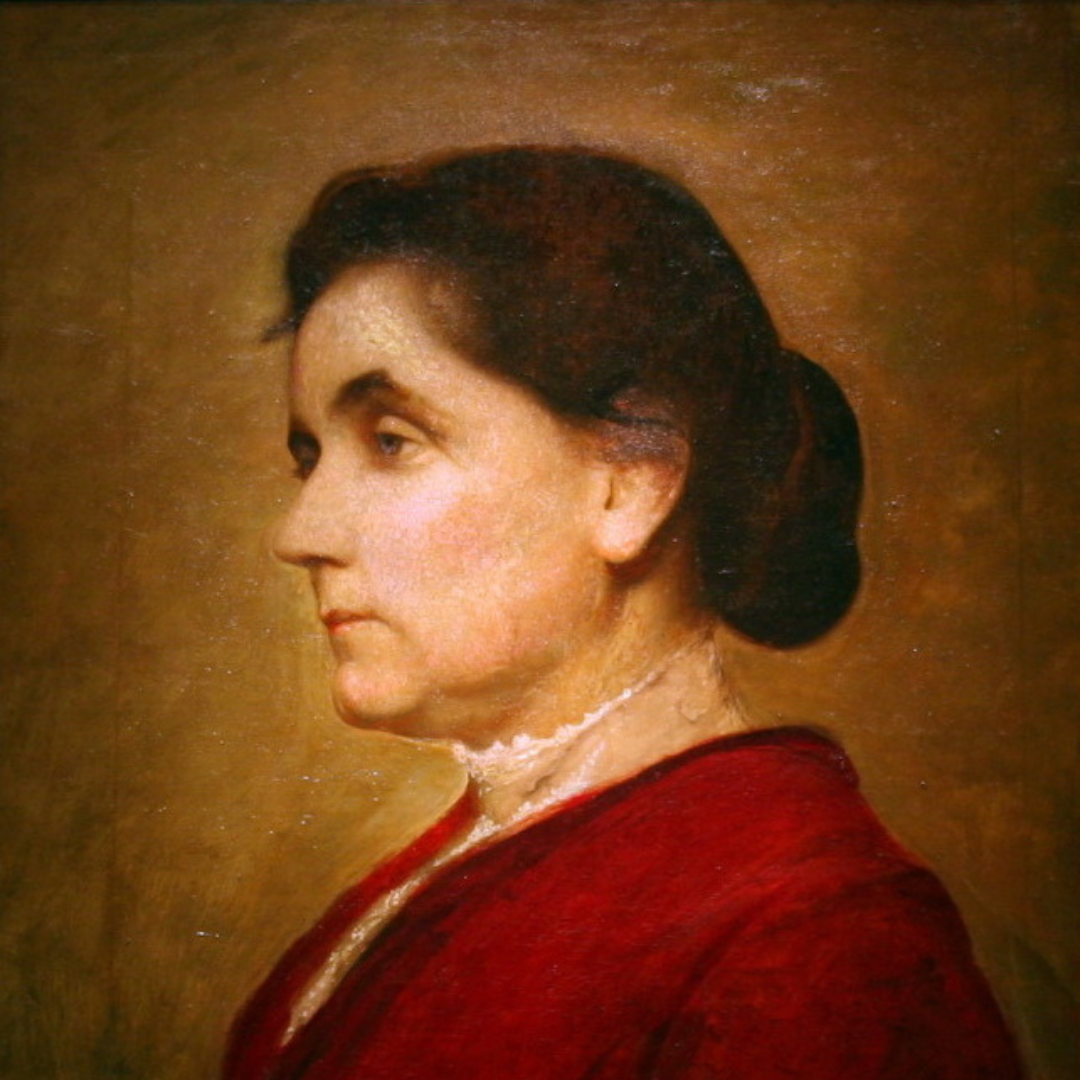
Jane Addams (1860–1935) was an American social reformer, philosopher, and public intellectual whose work helped extend pragmatism into ethics, democracy, and social reform. Through her leadership at Hull House and her writings on community life, civic participation, and democratic engagement, Addams argued that knowledge and moral understanding emerge through experience and cooperation. Her contributions helped demonstrate how pragmatist ideas could be applied to social problems, influencing thinkers such as John Dewey and shaping the development of American progressive thought.
Key Works by Jane Addams
A Function of the Social Settlement
Examines the role of settlement houses in addressing the social and economic challenges created by rapid urbanization and industrialization.
Jane Addams and Pragmatism
Jane Addams was one of the leading figures in applying pragmatist ideas to the challenges of modern social and political life. While not a philosopher in the academic sense of Charles Sanders Peirce, William James, or John Dewey, Addams developed a practical philosophy rooted in democratic participation, community engagement, and social reform. Her work demonstrated how pragmatist principles could be used to address real-world problems and improve the lives of ordinary people.
Through writings such as The Ethics of Democracy and A Function of the Social Settlement, Addams argued that knowledge and moral understanding emerge through experience, cooperation, and direct involvement in community life. She rejected abstract theories detached from social realities, emphasizing instead the importance of listening to diverse perspectives and learning through shared inquiry. Her approach reflected a central pragmatist conviction that ideas should be judged by their practical consequences and their ability to improve human well-being.
As the founder of Hull House and a leading voice in the Progressive Era, Addams helped extend pragmatism beyond philosophy and into fields such as social work, education, public policy, and democratic reform. Her work influenced contemporaries such as John Dewey and George Herbert Mead, and remains an important example of how pragmatist thought can be applied to questions of ethics, citizenship, and social change.
Key Ideas of Jane Addams
Democracy as a Way of Life
Addams believed democracy was more than a political system. It was a social and ethical ideal rooted in participation, cooperation, and meaningful relationships among citizens.
Learning Through Experience
Like other pragmatists, Addams argued that knowledge develops through direct engagement with real-world problems. Social understanding emerges from lived experience rather than abstract theory alone.
Social Reform Through Community Engagement
Addams maintained that lasting social change requires active involvement in community life. Effective reform grows from working alongside people and understanding their needs firsthand.
The Ethics of Cooperation
Addams emphasized empathy, mutual understanding, and shared responsibility as the foundation of ethical life. Moral progress depends upon individuals learning to work together across social and economic differences.
Influence on American Pragmatism
Jane Addams played a central role in expanding American pragmatism into ethics, democracy, social reform, and public life. While Charles Sanders Peirce helped establish the philosophical foundations of pragmatism and William James brought the movement to a broader audience, Addams demonstrated how pragmatist ideas could be applied directly to the problems of modern society. Her work showed that knowledge, morality, and democratic life are shaped through experience, cooperation, and practical engagement with communities.
Addams’s influence was especially important in connecting pragmatism to social ethics. Through her work at Hull House and her writings on democracy, settlement work, and civic responsibility, she argued that moral understanding develops through participation in shared social life. This emphasis on lived experience and mutual learning closely paralleled the work of John Dewey, who also viewed democracy as a way of life rooted in inquiry, communication, and collective problem-solving.
Her contributions also helped broaden the scope of American pragmatism beyond philosophy departments and academic debate. Like George Herbert Mead, Addams emphasized the social nature of the self and the importance of human interaction in shaping thought and conduct. Her settlement work provided a practical model for applying pragmatist ideas to immigration, labor, education, poverty, and urban reform.
Today, Addams is recognized as a major figure in the pragmatist tradition and an important voice in American social philosophy. Her work continues to shape discussions of democracy, ethics, feminism, social work, and civic life. By grounding philosophy in community experience and social responsibility, Addams helped show that pragmatism was not only a theory of meaning or truth, but also a practical method for building a more democratic society.